 Is a Water Heater HVAC or Plumbing?
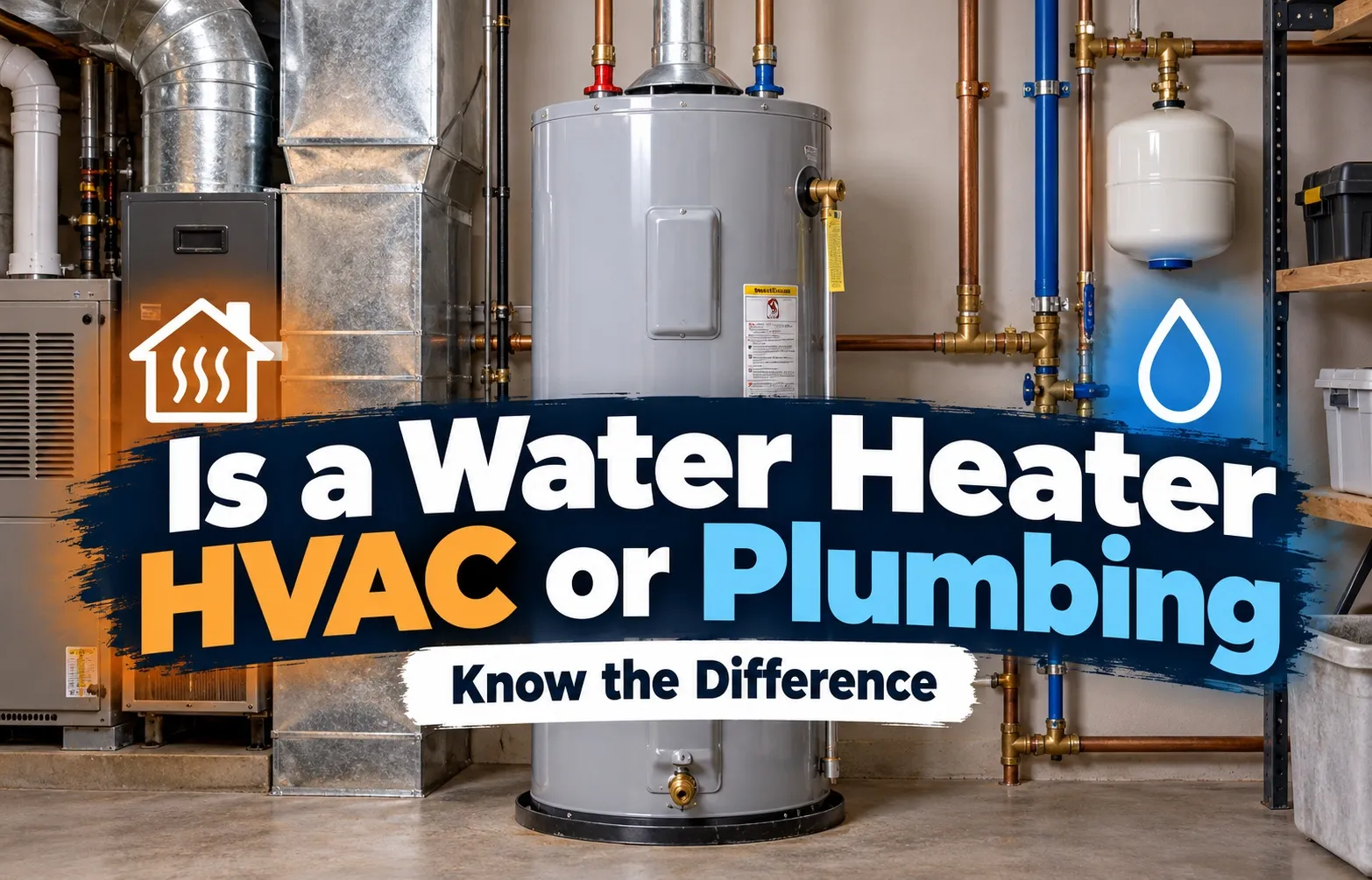
A standard water heater is primarily a plumbing component because it manages the storage, supply, heating, and distribution of household water. Although its name includes the word “heater,” the unit connects directly to your home’s main water pipes and relies on standard plumbing infrastructure for safe operation.
The Core Classification: Why It Is Rooted in Plumbing
Traditional water heating units operate entirely within the plumbing domain. They require expert plumbing oversight to handle fluid pressure, routing, and wastewater drainage safely across residential properties.
- Direct integration with municipal or well water supply lines.
- Utilization of specialized plumbing fittings, check valves, and drainage pipes.
- Essential safety management through temperature and pressure relief valves handled by licensed plumbers.
When Does Heating Touch HVAC?
The overlap between plumbing and HVAC occurs when advanced technology enters the picture. Certain modern water systems incorporate mechanical climate control and electrical components that bridge the gap between both trades.
- Hybrid heat pump units extract ambient air heat, drawing on mechanical HVAC principles.
- Integrated boiler systems provide both space heating and domestic hot water simultaneously.
- Many modern contracting companies employ cross-trained technicians to handle overlapping mechanical duties.
Why a Water Heater is Primarily a Plumbing Fixture
A water heater functions as an extension of your home’s core water architecture, relying entirely on hydraulic pressure, physical pipe routing, and drainage systems. Both traditional tank and tankless models depend heavily on dedicated plumbing hardware to transport, heat, and safely expel water throughout residential properties.
Water Supply Lines and Main Distribution
The primary connection point of any water heating system is the main water supply line, which feeds cold water directly into the unit. From there, internal mechanisms pressurize and route heated water through specialized distribution networks to every plumbing fixture in the home.
- Cold water shut-off valves regulate incoming flow directly from the municipal or well utility source.
- Hot water distribution pipes utilize copper, PEX, or CPVC piping materials to deliver regulated water to bathrooms, laundry rooms, and kitchens.
- Dedicated check valves prevent backflow to ensure that heated or stagnant water never compromises the main household supply.
Drainage Systems, Overflow Pans, and Safety Relief Valves (T&P Valves)
Safety and drainage infrastructure form the most critical plumbing components of any water heating unit. A failing component can cause catastrophic structural water damage, making specialized safety control features like the T&P relief valve legally mandatory under all standard residential plumbing codes.
- The T&P relief valve automatically discharges pressure and superheated water if internal thermal limits or PSI safety thresholds are exceeded.
- Bottom-mounted drain valves on a traditional tank water heater allow technicians to manually purge accumulated sediment and mineral deposits.
- Auxiliary drain pans and dedicated discharge piping safely funnel overflow moisture away from structural timber and living spaces.
Standard Maintenance, Tank Flushing, and Leak Repairs
Routine upkeep for water heating units relies entirely on traditional plumbing tools, diagnostic techniques, and mechanical pipe fixes. Whether addressing a degrading anode rod or a leaking inlet fitting, these structural repairs demand specialized plumbing expertise rather than climate control interventions.
- Annual tank flushing prevents hard water scale buildup from insulating heating elements and compromising structural tank integrity.
- Sacrificial anode rod inspections protect glass-lined steel tanks from accelerated electrochemical corrosion over time.
- Resolving tank joint leaks requires standard pipe wrenches, thread seal tape, and precision fittings managed by licensed plumbing professionals.
Where the Lines Blur: The HVAC Overlap and Advanced Systems
While standard water heaters fall firmly under plumbing, modern home engineering frequently merges climate control and liquid distribution. Advanced residential configurations combine air manipulation and thermal transfer, bridging the operational gap between plumbing and climate control.
Heat Pump (Hybrid) Water Heaters: Mechanical and Air Tech Intersection
A hybrid heat pump water heater represents the ultimate intersection of HVAC principles and plumbing infrastructure. These units utilize ambient surrounding air to heat water efficiently, borrowing core refrigeration and mechanical technology from modern climate systems.
- Extract indoor heat using evaporator coils and compressors identical to heat pump HVAC units.
- Condense moisture from the air, requiring specialized condensate drain lines connected to household plumbing.
- Require cross-functional technical oversight covering both electrical wiring and refrigerant circuits.
Boilers and Hydronic Space-Heating Combos
Hydronic heating setups blur trade lines completely by using a single centralized unit for dual purposes. Boiler-based indirect water heaters and combined radiant systems feed both home heating loops and domestic hot water lines simultaneously.
- Circulate heated water through closed-loop baseboards or underfloor radiant panels governed by HVAC thermostats.
- Store or generate domestic hot water via internal heat exchangers tied directly to the main boiler unit.
- Demand a balanced understanding of forced-water thermodynamics and complex hydronic controls.
Why Multi-Trade Contractors Service Both Trades
Homeowners often encounter overlap when hiring service providers because modern residential issues rarely occur in isolated silos. Multi-trade service companies intentionally bridge these gaps to streamline complex installations and emergency repairs.
- Technicians receive cross-training in both high-voltage electrical diagnostics and fluid pipe fitting.
- Comprehensive service calls address interconnected mechanical systems like combined space and water heating arrays.
- Homeowners benefit from unified warranties and single-provider accountability across both domestic water and climate equipment.
The Roof Vent and Flue Mystery: Who Handles Exhaust?
Gas-powered water heaters produce dangerous combustion exhaust that must be safely expelled outdoors, triggering a persistent debate among homeowners over whether a plumber or an HVAC technician should manage roof flue vents and exhaust chimneys.
Gas-Powered Water Heater Venting Requirements
Gas-fired water heaters rely on specialized venting systems to safely channel toxic combustion gases, carbon monoxide, and moisture out of the living space. Proper draft and clearance are essential to prevent dangerous backdrafting and ensure the appliance operates efficiently under heavy residential loads.
- Draft hoods and natural draft systems that rely on vertical roof flue vents.
- Power-vented models using dedicated side-wall or roof-penetrating exhaust piping.
- Strict clearance standards from building windows, overhangs, and air intake vents.
Local Building Codes: Plumber vs. HVAC Contractor Jurisdiction on Flues
Jurisdiction over roof flue vents and exhaust chimneys frequently overlaps depending on municipal licensing boards and regional trade traditions. While plumbers excel at the primary gas line and water tank connections, HVAC professionals often hold specialized certifications for sheet metal and structural roof penetrations.
- Plumbers routinely install gas supply lines and direct-vent or atmospheric draft pipes close to the unit.
- HVAC technicians frequently manage complex vertical chimney runs, roof flashings, and whole-house ventilation paths.
- Dual-licensed contractors or specialized mechanical pros bridge the legal gap for complex installations.
Carbon Monoxide Safety and Professional Certification Rules
Ensuring absolute carbon monoxide safety is the highest priority when installing or inspecting any gas-fired appliance exhaust. Strict regulatory certification rules require professional technicians to test combustion efficiency and draft pressure to protect occupants from silent, lethal gas leaks.
- Mandatory combustion analysis tests verify proper negative pressure and exhaust evacuation.
- Licensing boards require specific gas-fitter credentials to legally alter or tie into home chimney flues.
- Professional inspections catch failing seals, cracked flue pipes, and blocked exhaust paths instantly.
Who Should You Call? The Ultimate Hiring Decision Matrix
Choosing the correct professional for a water heater service call depends heavily on whether the issue stems from fluid distribution, electrical wiring, or specialized combustion venting. Evaluating the specific failure symptom ensures you hire the right expert the first time.
Scenario-Based Hiring Checklist (Leaks, No Hot Water, Gas vs Electric)
Different system breakdowns require distinct skill sets to diagnose and repair safely. Matching your immediate problem to the appropriate trade professional prevents unnecessary diagnostic fees and safety hazards.
- Active Water Leaks: Puddles around the base, corroded pipe fittings, or faulty T&P valves require an immediate call to a licensed plumber.
- Electrical and Heating Failures: Issues involving tripped breakers, burnt-out heating elements, or thermostat controls can be handled by electricians or multi-trade service pros.
- Gas and Hybrid Units: Complex fuel line connections or heat pump compressor malfunctions often necessitate a technician with specialized HVAC or gas-fitter credentials.
Licensing, Permits, and Local Code Requirements
Replacing a water heater is rarely a simple plug-and-play task; it involves strict municipal regulations that dictate who can legally perform the work. Skipping mandatory safety checks or failing to account for total water heater replacement cost and permit fees can lead to failed home inspections or voided insurance policies.
- Many jurisdictions legally require a licensed plumber or certified gas-fitter license holder to sign off on gas and water line modifications.
- Local building departments mandate official building permits for any tank replacement to ensure compliance with seismic and thermal expansion codes.
- Reviewing official regulatory standards, such as those outlined by the International Code Council, ensures your installation meets all structural safety parameters.
Frequently Asked Questions About Water Heaters
Understanding the clear boundaries of home utility systems helps homeowners manage repairs, maintenance budgets, and professional service calls effectively.
Is a water heater included in HVAC?
A standard water heater is not typically included in an HVAC system, as it functions primarily as a domestic plumbing appliance rather than a climate control device. However, modern hybrid models and integrated boiler setups create technical overlap between both system domains.
- Traditional tank and tankless models operate completely outside standard heating, ventilation, and air conditioning networks.
- HVAC systems focus on indoor air quality, heating, and cooling living spaces, whereas water heaters manage liquid utility supply.
- Only specialized hydronic combos and heat pump water heaters cross into mechanical HVAC territory.
Are HVAC and water heater the same thing?
No, an HVAC system and a water heater are entirely different mechanical entities with distinct operational goals. While HVAC manages indoor climate and air circulation, a water heater solely regulates domestic water temperatures for daily residential use, highlighting the fundamental HVAC vs plumbing distinction.
- HVAC units include furnaces, air conditioners, heat pumps, and ductwork designed for air temperature regulation.
- Water heaters utilize dedicated plumbing lines, pressure valves, and storage tanks or heat exchangers exclusively for water.
- Maintenance schedules and professional licensing requirements differ significantly between these two home infrastructure categories.
Do I call a plumber for a water heater?
Yes, a licensed plumber is the standard and most qualified professional to call for a traditional water heater installation, leak repair, or routine maintenance. Plumbers hold the exact credentials required for water line modifications and safety valve compliance.
- Plumbers handle water supply connections, drainage piping, and T&P relief valve maintenance seamlessly.
- Complex gas line integrations or electrical heating element faults may sometimes require specialized gas-fitters or electricians.
- Many full-service mechanical contractors employ cross-trained professionals who manage both plumbing and basic heating components.
What is a fair price to replace a water heater and what is its lifespan?
A standard water heater replacement cost typically ranges from one thousand two hundred to three thousand five hundred dollars, depending on tank capacity and fuel type. The average lifespan of a water heater spans between eight and twelve years for standard tank units.
- Tankless water heater models require higher upfront investments but often last up to twenty years with proper care.
- Fair pricing factors include local permit fees, labor rates, disposal charges, and required plumbing code updates.
- Routine annual flushing and anode rod replacements maximize both system longevity and energy efficiency.

Oscar Vance | Master Plumber & Drainage Expert
Meet Oscar Vance, a licensed master plumber sharing practical solutions on residential repairs, preventive maintenance, and thoughtful home upkeep.