The Executive Reality Check Why Most Roofing Google Ads Fail
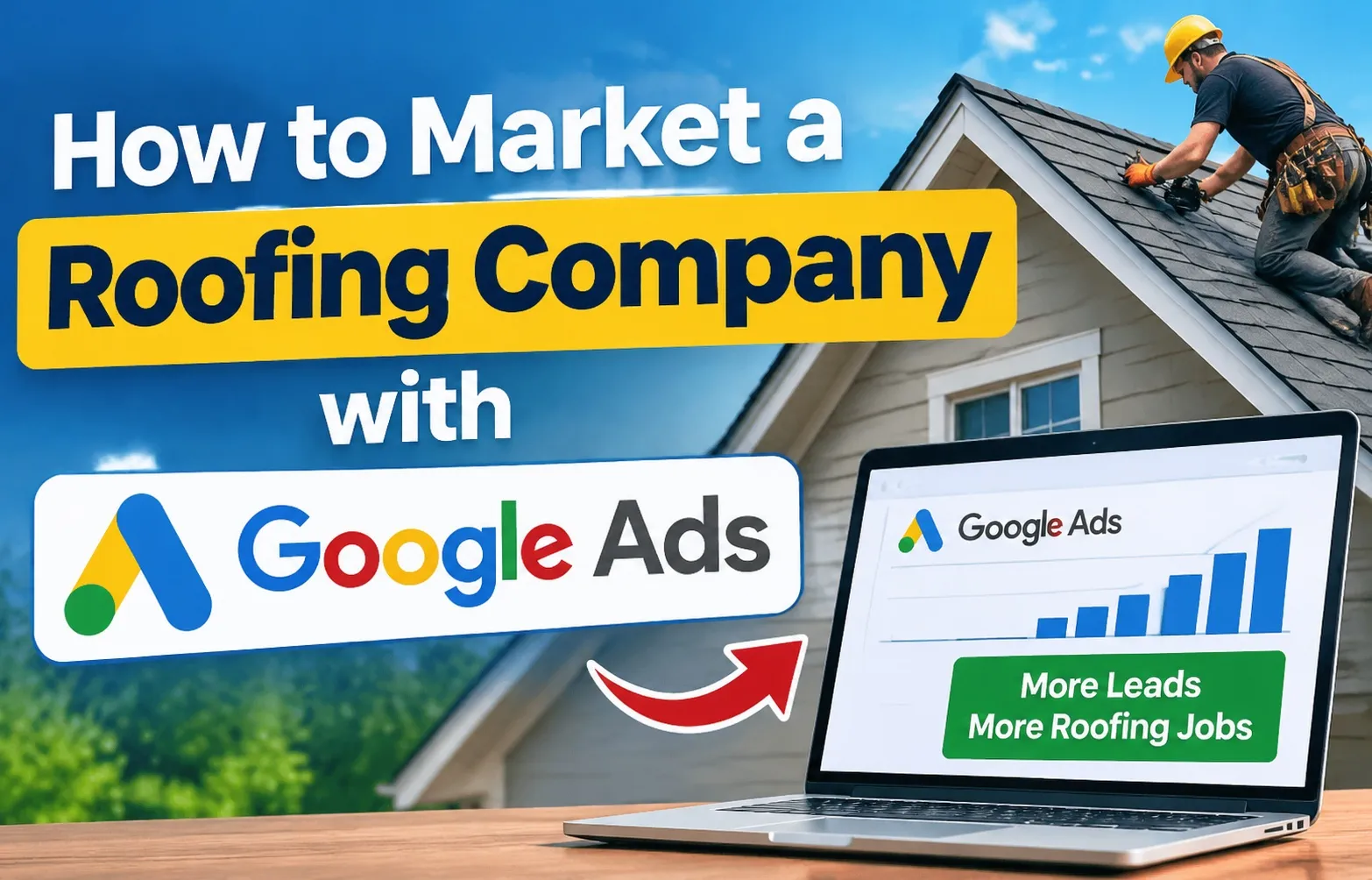 Roofing pay-per-click advertising operates under completely different economic rules than standard ecommerce or low-ticket lead generation. Because a single roof replacement contract can generate thousands of dollars in revenue, competition among contractors drives up ad auction prices significantly.
Without understanding the underlying financial mechanics, contractors often panic at high click costs and shut down campaigns prematurely. Success in roofing PPC requires tracking revenue and closed jobs rather than focusing solely on cost-per-click metrics.
The High-Stakes Reality of Roofing PPC (Why Clicks Cost $20 to $70+)
Roofing Google Ads campaigns frequently face steep click costs because every lead carries an exceptionally high financial value. When homeowners search for urgent repairs or complete replacements, multiple contractors compete for the exact same high-intent search queries.
- High LTV (Lifetime Value): A new residential roof or commercial flat roof installation yields massive immediate profit margins compared to standard retail items.
- Aggressive Local Competition: Local roofing companies and national lead-generation aggregators bid heavily on the same top-tier keywords in major metropolitan areas.
- Auction Dynamics: Google’s auction rewards advertisers who balance bid prices with high landing page relevance and strong historical account performance.
Understanding these market forces prevents unnecessary budget panic. High click prices are simply the cost of entry in an industry where winning a single contract covers weeks or months of total advertising spend.
The Unit Economics Math: Why a $50 Click is Cheap for a $15,000 Roof Replacement
Evaluating roofing Google Ads requires looking past raw click expenses and analyzing true unit economics. When you break down the conversion funnel mathematically, expensive clicks often represent the most profitable customer acquisition channel available.
- Cost Per Click (CPC): $50 per click on a competitive roofing keyword.
- Landing Page Conversion Rate: 10% of website visitors convert into inbound phone calls or form submissions ($500 per lead).
- Lead-to-Close Rate: 25% of qualified leads sign a contract for a full roof replacement ($2,000 cost per acquired customer).
- Average Job Value: $15,000 revenue per closed roof replacement project.
Spending $2,000 in advertising to secure a $15,000 project yields an exceptional return on ad spend. Treating Google Ads as an investment rather than an expense transforms how campaigns are budgeted and scaled.
Clicks vs. Phone Calls: Shifting Your Mindset from Traffic to Revenue
Many digital marketing campaigns fail because they optimize for vanity metrics like total impressions, traffic volume, or cheap clicks. In the roofing industry, a click is completely worthless until it transforms into a ringing phone or a confirmed inspection request.
- Emergency Intent: Homeowners dealing with severe storm damage or active roof leaks do not fill out long web forms; they tap click-to-call buttons immediately on mobile devices.
- Tracking Conversions Correctly: Campaigns must be anchored around phone call tracking, form submissions, and offline sales data rather than simple website visits.
- Eliminating Vanity Metrics: High click-through rates mean nothing if your customer service representatives are answering low-intent calls from renters or DIY renovators.
Shifting your core operational focus from generating traffic to capturing high-value phone calls aligns your ad spend directly with closed contracts and measurable business growth.
The 4-Pillar Roofing Campaign Architecture
Structuring your Google Search Ads into rigid, hyper-focused silos is the single most effective way to lower your cost-per-click and prevent budget waste. Dumping all roofing keywords into a single campaign destroys your Quality Score and forces generic ad copy that fails to convert.
A high-performing account separates searcher intent into four distinct campaigns, allowing you to tailor your ad copy, landing pages, and bidding strategies to exact customer needs.
Pillar 1: The Emergency Leak & Storm Damage Campaign (High Urgency, 24/7 Bidding)
Emergency roof repairs require immediate response times and high-urgency ad copy. Homeowners searching after a severe storm or sudden leak are ready to hire instantly and rarely shop around for weeks.
- Targeted Keywords: Focus on high-intent phrases like emergency roof repair near me and storm damage roof repair.
- Ad Schedule & Bidding: Run these ad groups 24/7 or during hours when live operators can answer emergency phone calls immediately.
- Mobile Optimization: Ensure ad groups emphasize click-to-call extensions so mobile users can connect with your dispatch team instantly.
Separating emergency intent protects your budget from blending with slow-cycle research queries, ensuring you capture high-value jobs the moment disaster strikes.
Pillar 2: The Scheduled Roof Replacement Campaign (Research-Intent, Long-Cycle)
Full roof replacements involve a longer consideration period where homeowners compare prices, materials, and contractor reputations. This campaign targets high-ticket clients planning major home improvements.
- Targeted Keywords: Focus on targeted terms like asphalt shingle replacement, metal roofing installation, and roof replacement cost estimates.
- Ad Messaging: Highlight financing options, warranties, free inspections, and customer trust badges directly in the headlines.
- Landing Page Alignment: Direct traffic to dedicated replacement landing pages featuring photo galleries and estimate request forms.
Structuring your campaign architecture around planned projects allows you to nurture leads effectively over a multi-day decision window.
Pillar 3: Commercial Roofing Campaign (B2B, TPO, Flat Roofs)
Commercial roofing projects require an entirely different vocabulary, distinct bidding strategies, and specialized landing pages tailored to business owners and property managers.
- Targeted Keywords: Target commercial roofing contractor, flat roof repair, TPO roofing membrane, and industrial roof maintenance.
- Audience Targeting: Exclude residential searches to ensure your ad spend focuses strictly on commercial decision-makers.
- Trust Signals: Showcase commercial licensing, insurance minimums, and portfolio projects involving large-scale facilities.
Isolating commercial terms prevents your residential budget from draining on high-competition B2B keywords that require specialized sales funnels.
Pillar 4: Brand Defense Campaign (Protecting Your Business Name for Pennies)
Competitors and third-party lead aggregators frequently bid on your company name to intercept your warm traffic. A brand defense campaign ensures you control the top of the search engine results page.
- Targeted Keywords: Bid strictly on your exact company name and common misspellings as exact-match keywords.
- Cost Efficiency: Because your brand relevance is exceptionally high, your Quality Score will be a 10/10, resulting in extremely low cost-per-click values.
- SERP Domination: Own the top real estate so past clients, referrals, and warm leads land directly on your official site instead of a competitor.
Running a brand defense campaign requires minimal monthly budget while safeguarding your most valuable digital asset—your established local reputation.
Bulletproof Campaign Settings and Budget Firewalls
Configuring the technical foundational settings in Google Ads is the single most critical factor in preventing budget waste. Small default errors in location targeting or network selection can silently drain thousands of dollars on irrelevant clicks before your campaign even generates a qualified lead.
Implementing strict budget firewalls and precise configuration rules ensures every dollar of your roofing advertising budget goes exclusively toward localized, high-intent homeowners.
Precision Geofencing: Setting Location to Presence Only
Google Ads defaults to a dangerous location setting called “Presence or Interest,” which targets people who are outside your service area but show interest in it. For local service contractors, this results in wasted ad spend on out-of-state users or people researching roofing materials from thousands of miles away.
- The Presence Setting: Change your location options immediately to “Presence: People in or regularly in your targeted locations.”
- Hyper-Local Radius: Draw tight geographic boundaries around your exact service area, targeting specific cities, counties, or custom zip codes.
- Exclusion Rules: Actively exclude neighboring states or regions where you cannot legally dispatch crews or service warranty claims.
Locking down your location targeting ensures your ads only appear to physical searchers actively located within your profitable operating radius.
Network Opt-Outs: Why You Must Deselect Search and Display Partners
When creating a new search campaign, Google automatically opts your ads into the “Google Search Partners” and “Google Display Network.” These networks push your ads onto low-quality publisher sites, weather apps, and directory search bars where conversion rates plummet.
- Deselecting Search Partners: Uncheck the box for Google Search Partners to prevent your high-CPC roofing ads from appearing on unvetted partner search engines.
- Avoiding the Display Network: Never mix display ads with search campaigns; banner ads on mobile games and blogs generate accidental clicks and drain budgets instantly.
- Pure Google Search Only: Restrict your ads exclusively to high-intent Google.com search results where homeowners are actively searching for contractor solutions.
Eliminating partner networks guarantees strict budget control and protects your capital from low-intent traffic sources.
Smart Ad Scheduling and Live Call Answering Integration
Running roofing ads 24/7 without operational support is a recipe for lost leads. If a homeowner has an emergency roof leak at midnight and calls your business, unanswered phones mean your expensive click resulted in a lost customer.
- Aligning Hours with Operations: Match your ad schedule precisely to the hours your office staff or live call-answering service is actively available to take inbound calls.
- Emergency Night Bidding: If you run a 24/7 emergency repair service with dedicated night dispatchers, isolate those hours into a separate campaign with dedicated ad copy.
- Pausing Dead Zones: Pause your ads during off-hours when conversion rates drop and immediate phone response times cannot be guaranteed.
Synchronizing your ad schedule with your team’s availability ensures every paid click capitalizes on immediate communication.
Bidding Strategies: When to Use Manual CPC vs. Maximize Conversions
Choosing the wrong bidding strategy during different stages of campaign maturity will distort your cost-per-lead. Automated AI bidding requires historical conversion data to function correctly; starting with automation on a brand-new account often burns cash.
- Starting with Manual CPC: Begin new campaigns using Enhanced Manual CPC to maintain strict control over maximum keyword bids and prevent runaway click costs.
- Transitioning to Automation: Once your campaign consistently logs 30 or more conversions per month, switch to automated bidding strategies like Maximize Conversions.
- Setting Bid Caps: Always apply a strict max cost-per-click limit when using automated bidding to prevent Google’s algorithm from spiking bids on volatile storm keywords.
Mastering the transition from manual control to smart bidding protects your initial budget while scaling lead volume effectively over time.
The Secret Weapon: Offline Conversion Tracking and Value-Based Bidding
Most roofing marketing guides stop at generating inbound phone calls, ignoring the critical gap between a lead and a signed contract. Relying solely on standard Google Ads conversions means your AI bidding strategy optimizes for cheap form fills and tire-kickers instead of high-value closed jobs.
Implementing Offline Conversion Tracking (OCT) bridges this disconnect by feeding actual revenue data from your CRM back into Google Ads. This allows the advertising algorithm to learn which specific search queries and clicks actually generate profitable roofing contracts.
The Flaw with Standard Google Conversions (Why Cheap Leads Equal Dead Ends)
Standard Google Ads tracking measures basic website actions like form submissions, button clicks, or inbound phone calls. However, not all leads hold equal financial value; many initial contacts turn out to be renters, insurance claim lookups, or small repair inquiries rather than full roof replacements.
- Optimizing for Quantity Over Quality: Automated bidding strategies instructed to find “cheap conversions” will aggressively hunt for low-intent form fills that rarely convert into paying customers.
- The Blind Spot: Google Ads algorithms cannot distinguish between a homeowner ready to spend $15,000 on a new roof and a caller looking for a free patch job unless you provide downstream sales data.
- Wasted Ad Spend: Campaigns optimized purely for front-end conversions often scale lead volume while overall company revenue stagnates or declines.
Shifting your optimization focus from raw lead counts to closed-loop revenue metrics ensures your advertising dollars target actual paying homeowners.
Integrating Your CRM (JobNimbus, AccuLynx, ServiceTitan) with Google Ads
Connecting your contractor-specific CRM directly to your Google Ads account closes the loop between digital ad clicks and physical field sales. Modern roofing management platforms track every stage of the customer lifecycle from initial inspection to final invoice payment.
- Platform Integration: Sync platforms like JobNimbus, AccuLynx, or ServiceTitan with your Google Ads account using native integrations or secure API connections.
- Tracking GCLIDs: Ensure Google Click IDs (GCLIDs) are captured dynamically whenever a homeowner fills out a form or calls from your landing page, passing unique click data into your CRM.
- Mapping Deal Stages: Configure your CRM to record specific pipeline milestones, such as “Inspection Scheduled,” “Estimate Sent,” “Job Won,” and total contract value.
Establishing this data pipeline transforms your advertising account from a basic traffic driver into a revenue-focused customer acquisition engine.
Teaching Google’s AI Who a Good Customer Is via Offline Data
Once your CRM data flows back into Google Ads through Offline Conversion Tracking (OCT), you unlock Value-Based Bidding (VBB). Instead of treating every conversion equally, you assign monetary values to closed contracts, allowing Google’s artificial intelligence to optimize for maximum return on ad spend.
- Feeding Real Revenue Data: Upload or automatically import offline conversion events where a lead successfully converts into a closed roofing project with an attached dollar value.
- Enabling Value-Based Bidding: Switch your bidding strategy from standard “Maximize Conversions” to “Maximize Conversion Value,” instructing Google’s AI to bid higher on user profiles that mirror your most profitable past clients.
- Algorithmic Learning: Over time, the machine learning model identifies complex search patterns, device types, and geographic nuances that lead to high-ticket replacements rather than dead-end inquiries.
Leveraging offline data gives your roofing business a massive competitive advantage over local rivals who rely entirely on superficial frontend metrics. For detailed technical guidance on setting up this data pipeline, review the official Google Ads Offline Conversion Import Guide.
High-Intent Ad Copy Formulas and Landing Page Conversion Secrets
Generating an expensive click means nothing if visitors land on your website and bounce immediately. Maximizing your return on ad spend requires tightly aligning your Responsive Search Ad copy with dedicated, mobile-optimized landing pages designed specifically to turn urgent homeowners into confirmed inspection leads.
Bridging the gap between ad text and landing page experience minimizes friction, lowers cost-per-lead, and dramatically increases conversion rates across all your roofing campaigns.
Mirroring Searcher Intent in Responsive Search Ad (RSA) Headlines
Responsive Search Ads (RSAs) allow you to input multiple headlines and descriptions that Google dynamically mixes and matches to find the winning combination. To maximize click-through rates, your headlines must directly mirror the exact search terms typed by the homeowner.
- Keyword Insertion: Include primary terms like Emergency Roof Repair or Local Roof Replacement directly within your pinned primary headlines.
- Addressing Urgency: Highlight immediate availability, fast local response times, and free on-site inspections rather than generic brand statements.
- Relevance Matching: Ensure the ad copy explicitly matches the specific ad group theme so users instantly recognize your business as the exact solution to their problem.
Reflecting searcher intent right inside your ad copy builds immediate trust and reassures prospective clients that they clicked the correct result.
Trust Signals That Matter: Reviews, Licensing, and Google Guaranteed
Homeowners inviting contractors onto their property are hyper-sensitive to scams and uninsured fly-by-night operators. Establishing immediate credibility through prominent trust signals is essential to overcoming consumer hesitation.
- Verified Local Reviews: Showcase real star ratings and recent customer testimonials directly above the fold on your landing pages and ad extensions.
- Licensing and Insurance: Display your state contractor license numbers, bonding details, and liability insurance coverage prominently in your ad descriptions.
- Google Guaranteed Badges: Leverage Local Services Ads (LSAs) and Google Guaranteed verification badges to eliminate friction and secure instant homeowner confidence.
Highlighting verifiable credentials separates your roofing company from unvetted competitors and drives higher conversion rates on paid traffic.
Why Pointing Ads to Your Homepage is Burning Cash
Directing paid Google Ads traffic to your general business homepage is one of the most common and costly mistakes contractors make. Homepages are typically cluttered with corporate history, secondary blog posts, and diverse service menus that distract users.
- Message Disconnect: A homeowner searching for emergency leak repair does not want to hunt through a general homepage menu to find a phone number.
- Decision Fatigue: Too many navigation options and service categories cause high bounce rates and prompt users to click the back button.
- Targeted Conversion Focus: Dedicated landing pages maintain a singular focus on one specific service, guiding the user toward a single desired action: calling your team or submitting an estimate form.
Sending ad traffic exclusively to hyper-focused landing pages ensures every dollar spent contributes directly to lead generation.
Anatomy of a High-Converting Roofing Landing Page (Mobile-First Layout)
Over 75 percent of urgent roofing searches occur on mobile devices after storms or sudden leaks. If your landing page requires pinching, zooming, or slow scrolling, your ad budget is wasted.
- Click-to-Call Buttons: Place a sticky, tap-to-call phone number at the very top of the mobile screen so users can connect instantly without scrolling.
- Simplified Lead Forms: Keep lead capture forms short and friction-free, asking only for essential details like name, phone number, address, and service needed.
- Visual Proof: Include high-resolution photos of your local crew, branded trucks, and completed local roof installations to reinforce legitimacy.
Designing a fast-loading, mobile-first landing page layout ensures maximum conversion efficiency from every single click you purchase.
Negative Keyword Master List Stopping Budget Bleed
Failing to manage negative keywords is the fastest way to exhaust your roofing advertising budget on irrelevant searches. Without active exclusions, Google’s broad and phrase-matching algorithms will display your ads to DIYers, job seekers, and retail shoppers who have zero intention of hiring a contractor.
Implementing a strict, ongoing negative keyword routine protects your capital, eliminates worthless clicks, and ensures your bidding budget targets exclusively high-intent paying customers.
How to Audit Your Search Terms Report Weekly
Your Search Terms Report shows the exact queries real users typed into Google before your ads appeared. Reviewing this data on a weekly basis is mandatory to catch stray match variations and add immediate budget firewalls.
- Spotting Irrelevant Patterns: Look for unexpected words, modifier phrases, or informational queries that triggered your ads without generating inbound calls.
- Adding Negatives Promptly: Select irrelevant search terms directly within the Google Ads dashboard and add them as account-level negative keywords.
- Refining Match Types: Use exact and phrase match negatives strategically to block specific unwanted word combinations while keeping core service terms open.
Consistent weekly audits prevent minor keyword bleed from accumulating into hundreds of dollars of wasted monthly spend.
The Roofing Negative Keyword Blacklist (DIY, Jobs, Salaries, and Retail)
Certain search categories routinely drain roofing budgets across the home improvement industry. Building a robust foundational negative keyword blacklist before launching your campaign prevents these common financial traps.
- DIY & How-To Searches: Exclude terms like “how to,” “DIY,” “repair tutorial,” “patching a roof yourself,” and “guide.”
- Employment & Career Queries: Block terms associated with job seekers, including “roofing jobs,” “roofer salary,” “hiring,” “apprenticeship,” and “resume.”
- Retail & Material Shopping: Filter out retail buyers looking for individual components with terms like “Home Depot,” “Lowe’s,” “shingles for sale,” “nails,” and “caulk.”
Pre-populating your account with these standard blacklisted terms stops Google Ads from serving your ads to non-commercial searchers.
Filtering Out Tire-Kickers and Material-Only Seekers
Beyond standard employment and DIY terms, regional campaigns often attract price-sensitive consumers looking for free materials or government handouts rather than professional contracting services.
- Government Assistance Queries: Block phrases like “free government roof grants,” “free roof program,” and “charity roof repair” unless your business specifically participates in those programs.
- Material-Only Inquiries: Filter out consumers searching for wholesale material prices or equipment rentals rather than turnkey installation services.
- Real Estate & Legal Queries: Exclude terms related to home inspections for real estate sales, insurance litigation, or legal disputes if they do not align with your sales pipeline.
Eliminating tire-kickers and non-revenue search queries sharpens your campaign focus, directing 100 percent of your budget toward qualified homeowners ready to sign contracts.
Frequently Asked Questions About Roofing Google Ads
Answering common questions directly and concisely helps your content capture Google AI Overviews and People Also Ask (PAA) boxes. These practical answers address real concerns shared by roofing contractors and marketers across search and community forums.
Do Google Ads actually work for roofing companies?
Yes, Google Ads are one of the most effective customer acquisition channels for roofing companies because they capture high-intent buyers actively searching for emergency repairs or full replacements.
- Immediate Intent: Unlike social media advertising where users browse casually, Google Search users are actively looking to hire a contractor right now.
- High ROI Potential: Because roofing jobs carry high ticket values, closing just one or two major roof replacements per month easily covers total ad expenses.
- Execution Matters: Success requires precise local geofencing, negative keyword filtering, and dedicated mobile landing pages to avoid wasted budget.
When configured correctly, Google Ads provide a predictable, scalable stream of inbound phone calls and inspection requests.
What is a realistic daily and monthly budget for roofing Google Ads?
A realistic starting budget for roofing Google Ads typically ranges from $1,500 to $3,000 per month, translating to roughly $50 to $100 per day in competitive local markets.
- High Click Costs: Because roofing CPCs often run between $20 and $70+ depending on market size, very low daily budgets ($10 to $20) will exhaust before generating a single click.
- Sufficient Data Volume: Adequate monthly spend allows Google’s algorithm to gather enough click and conversion data to optimize lead quality effectively.
- Market Adjustments: Highly populated metropolitan areas require larger budgets to maintain competitive impression share, while smaller suburban markets can succeed on leaner budgets.
Treating your advertising budget as an investment rather than an expense ensures you allocate enough capital to capture profitable high-ticket contracts.
Should I use Local Services Ads (LSAs) or Google Search Ads?
Contractors should ideally run both Local Services Ads (LSAs) and Google Search Ads simultaneously because they occupy different, highly lucrative sections of the search engine results page.
- Local Services Ads (LSAs): Appear at the very top above traditional search results, operate on a pay-per-lead model, and feature the trusted “Google Guaranteed” badge.
- Google Search Ads: Appear below LSAs, giving you granular control over specific keyword variations, ad copy messaging, and targeted landing page destinations.
- Dual Channel Dominance: Combining both formats maximizes your digital real estate, blocks competitors from capturing screen space, and diversifies your lead generation channels.
Integrating LSAs and Search Ads creates a comprehensive roofing marketing strategy that captures both immediate callers and research-focused homeowners.
How do I find roofing leads if I have a tiny starting budget?
If you have a very small starting budget that cannot support high-competition Google Search clicks, you should focus on hyper-targeted local strategies and free organic channels before scaling paid ads.
- Target Long-Tail Keywords: Bid exclusively on hyper-local, low-volume keyword variations in specific neighborhoods to secure lower cost-per-click rates.
- Google Business Profile Optimization: Fully optimize your free Google Business Profile with local photos, regular updates, and review collection campaigns to rank in the local map pack.
- Organic Social & Referral Outreach: Utilize Facebook community groups, door-to-door neighborhood marketing, and past client referral incentives to generate zero-cost leads while building capital.
Maximizing free local assets allows small contractors to build momentum and financial runway before launching aggressive, paid Google Ads campaigns.

Oscar Vance | Master Plumber & Drainage Expert
Meet Oscar Vance, a licensed master plumber sharing practical solutions on residential repairs, preventive maintenance, and thoughtful home upkeep.