The Florida Roofing Boom & Reality Check
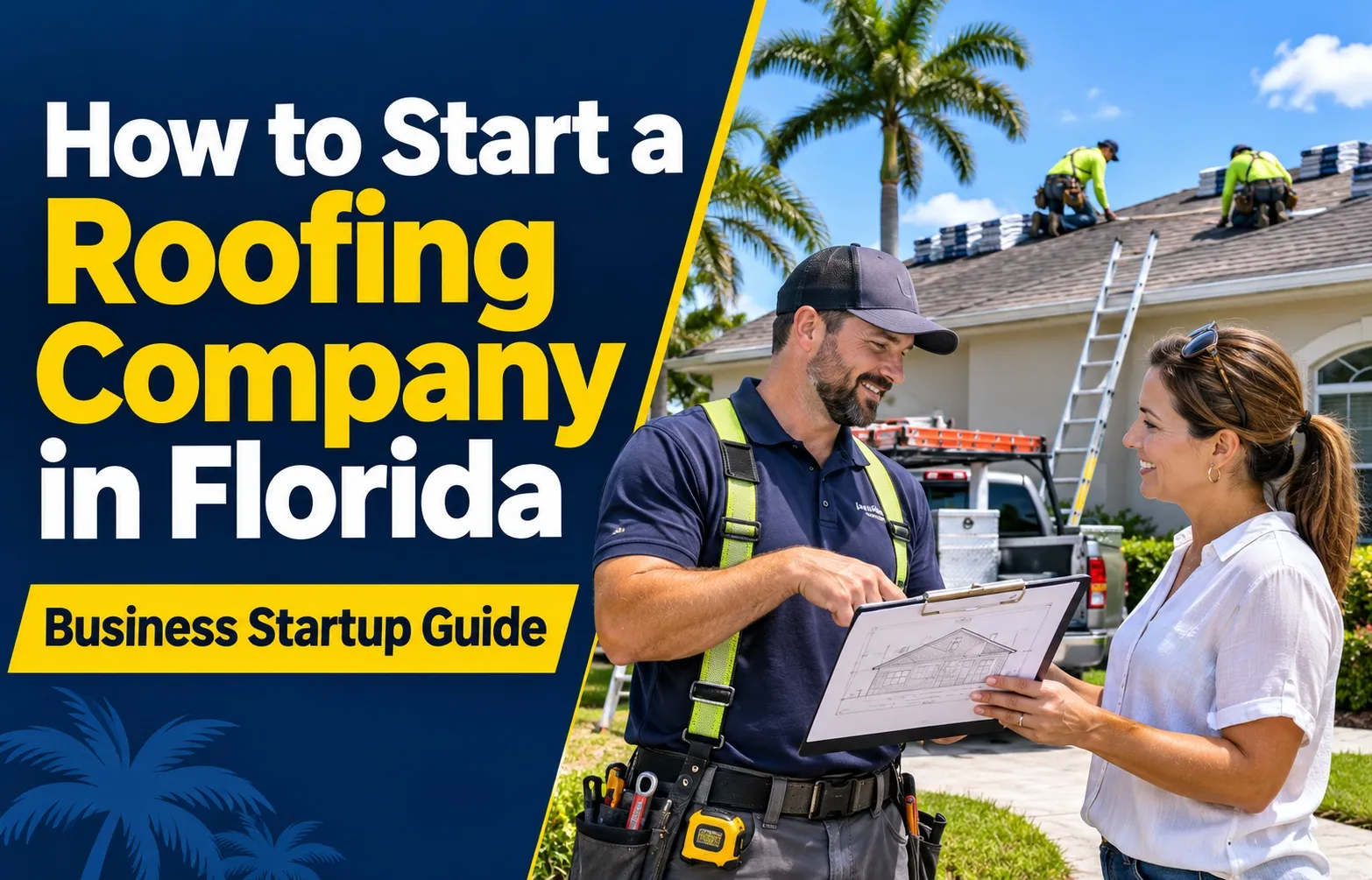 Launching a roofing company in Florida places you at the epicenter of America’s most high-demand and lucrative construction market. Driven by frequent storm activity, stringent building codes, and massive property growth, roofing contractors across the state enjoy unmatched revenue potential. However, this profitability comes hand-in-hand with rigorous regulatory hurdles and an unforgiving insurance landscape that demands absolute compliance from day one.
Why Florida is America’s Most Lucrative (and Demanding) Roofing Market
The Florida roofing market thrives on continuous demand generated by tropical weather systems, strict insurance replacement lifecycles, and rapid urban expansion. Property owners constantly require roof replacements, wind-mitigation upgrades, and emergency storm repairs. Yet, operating within the Florida construction industry requires navigating intense competition and complex state mandates that separate amateur operators from elite, long-standing contracting businesses.
- Constant demand fueled by hurricane seasons and tropical weather events across coastal and inland counties.
- High-value average ticket sizes for residential tile, shingle, and metal roof installations.
- Strict enforcement of state building codes that protect consumers but penalize non-compliant contractors.
What You Need to Know Before Spending a Single Dollar
Before committing capital to equipment or marketing, prospective business owners must understand the true cost of entry and legal accountability in Florida. Establishing a legitimate business startup requires factoring in mandatory state licensing exams, background checks, specialized insurance policies, and working capital buffers. Jumping into the market without a clear grasp of these prerequisites risks immediate regulatory fines or costly operational shutdowns.
- State licensing through the Department of Business and Professional Regulation (DBPR) is legally mandatory for structural contracting.
- Operating within a High-Velocity Hurricane Zone (HVHZ) requires specialized product approvals and installation techniques.
- Underestimating initial cash flow requirements for liability insurance and workers’ compensation can cripple a new business in its first six months.
Choosing Your Business & Licensing Model (The Qualifier Loop)
Selecting the correct licensing structure is the single most important legal decision you will make when launching your enterprise in Florida. Operating without proper credentials can lead to severe civil and criminal penalties under state law. Understanding how the regulatory bodies evaluate your qualifications dictates how quickly you can legally start bidding on high-ticket commercial and residential projects.
Certified vs. Registered Contractor: Which License Do You Need?
Florida regulates construction through the Construction Industry Licensing Board (CILB), which operates under the Department of Business and Professional Regulation (DBPR). Choosing the right license type determines your geographic operating scope across the state.
- Certified Roofing Contractor: Allows you to contract and work anywhere in the state of Florida without being restricted by local municipal licensing boards.
- Registered Roofing Contractor: Restricts your business operations strictly to specific local jurisdictions where you have registered your competency card with local building departments.
- State certification is universally preferred for growing companies because it removes geographic caps and enables statewide brand expansion.
The 4-Year Experience Rule vs. Partnering with a Primary Qualifying Agent (PQA)
Traditional state licensing routes require proof of extensive hands-on industry experience, which acts as a barrier for business-focused entrepreneurs. However, alternative partnership models allow non-trade professionals to enter the market legally and profitably.
- The 4-Year Rule: The state requires at least four years of active experience as a foreman, worker, or college graduate in construction management to sit for the exam.
- Primary Qualifying Agent (PQA) Model: Entrepreneurs with capital, marketing expertise, and management skills can partner with an experienced qualifier who lends their license to the corporate entity.
- The PQA acts as the legally responsible supervisor for technical construction standards while the entrepreneur manages day-to-day business operations and growth.
Passing the CILB Trade and Business Exams on Your First Try
Securing your license independently requires passing two rigorous computer-based examinations administered by the state testing vendor. Proper preparation and familiarity with approved open-book reference materials are vital for passing on your initial attempt.
- Trade Knowledge Exam: Focuses heavily on Florida Building Code requirements, roofing application techniques, safety standards, and wind-mitigation specifications.
- Business and Finance Exam: Evaluates your understanding of contracting law, lien laws, estimating, bookkeeping, tax obligations, and job cost management.
- Investing in specialized Florida contractor exam prep courses drastically increases first-time pass rates and prevents costly administrative delays.
Legal Formation, Sunbiz, and DBPR Compliance Prerequisites
Establishing a legally compliant corporate structure shields your personal assets from business liabilities and satisfies strict state regulatory mandates. In Florida, official incorporation through state registries must be completed alongside federal tax registration and rigorous background evaluations before the Construction Industry Licensing Board will review your application.
Registering Your LLC or Corporation with Florida Sunbiz
Forming your formal business entity begins with filing your articles of organization or incorporation directly through the Florida Division of Corporations website, popularly known as Sunbiz. Choosing between a Limited Liability Company (LLC) or a corporation depends on your tax strategy, liability preferences, and management structure.
- File your formation documents online via Sunbiz to officially establish your corporate identity in Florida.
- Appoint a reliable registered agent with a physical street address in Florida to receive legal and official state notices.
- Draft an operating agreement or corporate bylaws to outline ownership percentages, voting rights, and operational guidelines.
IRS EIN Setup and State Tax Account Registration
Once your business entity is active on Sunbiz, you must secure federal and state tax identifiers to legally hire employees, open commercial bank accounts, and collect state sales tax on taxable construction materials and services.
- Apply for an Employer Identification Number (EIN) directly through the IRS website for free to use on tax filings and bank applications.
- Register your business with the Florida Department of Revenue for state reemployment tax and sales tax collection.
- Open a dedicated business checking account exclusively reserved for company revenue and expenses to maintain a clean paper trail.
Clearing the FDLE Livescan Background Check and Financial Stability Requirements
The state of Florida requires all applicants seeking a roofing license to undergo a thorough criminal background check and prove financial solvency. The DBPR evaluates your personal background and creditworthiness to ensure consumer protection.
- Complete an electronic fingerprint-based background check processed through the Florida Department of Law Enforcement (FDLE) Livescan system.
- Submit a certified personal credit report showing your FICO score and confirming the absence of severe unresolved financial judgments or liens.
- Meet state financial stability thresholds or obtain a contractor’s bond if your credit score falls below the required regulatory minimum.
Navigating Florida’s Brutal Insurance & Bonding Market
Securing adequate insurance coverage represents one of the biggest financial hurdles for new roofing contractors operating in Florida. Because of the state’s severe hurricane exposure and high litigation rates, insurance carriers enforce strict underwriting guidelines and steep premiums. Proactively budgeting for commercial policies and understanding state compliance mandates ensures your business stays legally protected without unexpected financial disruptions.
General Liability and Commercial Auto Insurance Realities in Florida
Florida’s high-risk insurance market requires roofing companies to maintain robust general liability and commercial auto coverage to satisfy licensing boards and general contractors. Insurers scrutinize roofing risks heavily due to potential property damage and water intrusion claims. Securing policies through specialized commercial brokers familiar with Florida construction risks is essential for obtaining competitive rates.
- General liability insurance protects your business against third-party bodily injury and accidental property damage during roofing operations.
- Commercial auto insurance is mandatory for all work trucks and fleet vehicles hauling tools, materials, and crew members to job sites.
- Expect rigorous underwriting reviews, and always secure quotes well in advance to avoid delays in your DBPR licensing finalization.
Workers’ Compensation Rules and Exemption Strategies for New Owners
State law heavily regulates workforce protection, making workers’ compensation compliance a top priority for any active roofing contractor. Operating without required coverage triggers severe administrative fines, stop-work orders, and potential criminal liabilities. Understanding exemption thresholds helps new sole proprietors manage initial overhead costs safely.
- Florida generally requires workers’ compensation insurance for construction businesses with one or more employees, including corporate officers.
- Eligible corporate officers in non-structural or executive roles can apply for official state exemptions to reduce upfront operational overhead.
- Subcontractors you hire must also provide valid certificates of insurance to prevent your company from absorbing their liability exposure.
Surety Bonds: Protecting Your Business and Meeting State Mandates
Surety bonds act as a three-party financial guarantee between your roofing company, the state licensing board or project owner, and the bonding company. These instruments ensure that your business fulfills contractual obligations and adheres strictly to local building codes. Maintaining clean credit history directly impacts the cost and availability of your surety bonding.
- License bonds are frequently required by local municipalities or state boards to guarantee compliance with local codes and regulations.
- Performance and payment bonds protect commercial and residential property owners if your company fails to complete a contracted project.
- Building a strong relationship with a commercial surety agent allows your bonding capacity to scale as your company takes on larger projects.
Itemized Startup Cost Breakdown ($15k to $30k+)
Launching a roofing enterprise in Florida requires clear financial planning to survive the initial operational ramp-up phase. While baseline administrative setup is relatively affordable, securing proper licensing bonds, insurance down payments, and essential job-site equipment quickly escalates capital requirements. A granular, line-item budget prevents unexpected cash flow shortages during your critical first six months in business.
Exact Line-Item Expenses: Where Does Your Capital Go?
Understanding the exact financial distribution of your startup capital ensures you do not run out of funds before landing your first paying roofing contracts. The table below outlines a realistic, itemized budget breakdown tailored specifically to Florida’s regulatory and operational climate.
Equipment, Safety Gear, and Work Vehicle Financing
Equipping your crew with reliable tools and safe gear is non-negotiable for maintaining job-site productivity and legal OSHA compliance. Trying to cut corners on safety equipment or purchasing failing used trucks will immediately hurt your profit margins through delays and breakdowns.
- Invest in commercial-grade pneumatic nailers, heavy-duty ladders, and specialized roofing shovels designed for Florida tile and shingle tear-offs.
- Ensure all fall protection gear, anchor points, and harnesses strictly meet or exceed current OSHA standards to protect workers and avoid fines.
- Explore equipment financing or commercial vehicle leases to preserve your liquid working capital rather than draining cash reserves upfront.
Working Capital Buffer: Surviving the First 6 Months Before Cash Flow Stabilizes
New contracting businesses frequently face delayed receivables, unexpected project adjustments, and slow initial sales cycles during their first half-year of operation. Having a dedicated working capital buffer guarantees that your company can meet weekly payroll and material costs without financial panic.
- Set aside a dedicated cash cushion that covers at least three to six months of fixed operating overhead and insurance premiums.
- Implement strict material deposit schedules on every contract (e.g., 50% down upon signing) to self-fund project material purchases.
- Maintain clean accounting records using software like QuickBooks to monitor cash flow health and satisfy future bonding requirements.
Critical Florida Roofing Compliance Laws Every Owner Must Know
Operating a successful roofing enterprise in Florida requires absolute mastery of the state’s complex building codes and storm-mitigation mandates. Failing to understand regional construction rules can result in failed inspections, costly project tear-downs, and severe liability claims. Knowing these laws inside and out protects your business reputation and ensures every installation withstands rigorous regulatory oversight.
Decoding the Florida Building Code and HVHZ Standards
The Florida Building Code sets strict structural requirements across the state, with specialized mandates enforced in coastal and wind-prone regions. Understanding these structural guidelines is mandatory for bidding on and executing legally compliant roofing installations.
- The Florida Building Code mandates rigorous wind-resistance standards that scale according to regional wind speed maps and exposure categories.
- High-Velocity Hurricane Zone (HVHZ) regulations in Miami-Dade and Broward counties enforce some of the strictest product approval and installation protocols globally.
- Every shingle, tile, underlayment, and fastener used must carry official Florida Product Approval numbers to pass local municipal inspections.
What is the 25% Roofing Rule in Florida?
The infamous 25% rule is one of the most misunderstood and critical building code regulations governing roof repairs in Florida. New company owners must master this code to properly educate homeowners and avoid illegal patchwork jobs.
- Under the Florida Building Code, if more than 25% of a roof section is damaged, repaired, or replaced within any 12-month period, the entire roofing system must be brought up to current code.
- This often means a minor storm repair cannot be patched, forcing a complete tear-off and full replacement of the roof deck and covering.
- Explaining this rule clearly to prospective clients prevents disputes, builds instant authority, and ensures your contract estimates account for full replacements when legally required.
Wind-Mitigation Inspections and Insurance Credits
Wind-mitigation inspections are a cornerstone of Florida’s property insurance ecosystem, directly lowering homeowner premiums through certified installation practices. Providing these formal reports adds immense value to your client services.
- Wind-mitigation inspections evaluate roof-to-wall attachments, deck nailing patterns, underlayment quality, and secondary water resistance barriers.
- Installing upgraded clips, straps, and sealed roof deck underlayments allows homeowners to secure substantial annual discounts on their property insurance.
- Offering professional wind-mitigation documentation upon project completion gives your roofing company a powerful competitive advantage in local markets.
Equipment, Manufacturer Certifications, and Launching Marketing
Transitioning from a legally compliant entity to a revenue-generating powerhouse requires establishing operational credibility and robust local visibility. Earning top-tier manufacturer credentials unlocks exclusive warranty protections that instantly set your business apart from local competitors. Simultaneously, dominating digital channels ensures that property owners searching for immediate roofing solutions find your brand first.
Securing Manufacturer Certifications (GAF and Beyond) for Better Warranties
Achieving certified contractor status with industry-leading material manufacturers like GAF or Owens Corning transforms your sales pitch and elevates consumer trust. Property owners in Florida actively seek out certified installers because these credentials authorize companies to offer elite, non-prorated system warranties backed by the manufacturer.
- Manufacturer certifications require proof of proper licensing, adequate insurance coverage, and completion of factory-authorized installation training.
- Holding elite badges allows you to offer decades-long enhanced warranties covering both material defects and contractor workmanship errors.
- Distinguishing your business with high-level manufacturer credentials justifies premium pricing and builds instant confidence during client consultations.
Local SEO and Google Business Profile Domination for Contractors
In the competitive Florida home services market, digital visibility dictates lead volume. Optimizing your online presence ensures your roofing company captures high-intent local search traffic when property owners experience storm damage or roof leaks.
- Optimize your Google Business Profile (GBP) with correct service categories, local Florida addresses, and high-resolution project photos.
- Build location-specific landing pages targeting your primary operating cities to capture geo-targeted residential search queries.
- Implement an automated review-collection system to rapidly accumulate five-star customer testimonials, boosting your local map pack rankings.
Landing Your First 10 Residential and Commercial Jobs
Securing your initial portfolio of completed projects requires a multi-channel outbound strategy that combines digital marketing with direct local networking. Building early momentum establishes social proof and generates organic word-of-mouth referrals.
- Leverage door-to-door canvassing immediately following major storm events in approved neighborhoods to offer free roof inspections.
- Partner with local real estate agents and property managers who frequently manage homes needing pre-sale roof certifications.
- Deliver exceptional customer service on your first ten projects to secure glowing reviews and kickstart your referral pipeline.
Frequently Asked Questions (FAQ – Capturing AI Overviews & PAA Boxes)
Navigating the legal, financial, and operational requirements of launching a contracting business raises many critical questions for new entrepreneurs. Below are direct, data-backed answers to the most common queries regarding Florida roofing regulations, startup costs, licensing classifications, and tax incentives.
How much money do I need to start a roofing company in Florida?
Starting a roofing company in Florida typically requires an initial capital investment ranging from $15,000 to over $30,000. This startup cost covers corporate entity filing fees, DBPR licensing applications, general liability and workers’ compensation insurance down payments, safety gear, tools, work vehicle financing, and a working capital buffer to sustain operations through your first few months.
- Insurance down payments and bond premiums usually represent the largest portion of initial cash outlay.
- Having at least three to six months of operating reserves prevents cash flow bottlenecks during delayed project payouts.
- Equipment financing or leasing options can significantly reduce upfront capital requirements for trucks and heavy tools.
Can I start a roofing business in Florida without prior experience?
You cannot personally hold a qualifying state roofing license without meeting the state’s rigorous experience requirements, but you can still launch and own a roofing business. The state mandates at least four years of hands-on industry experience or relevant construction management education to sit for the CILB exams. However, business-focused entrepreneurs frequently bypass this hurdle by partnering with a Primary Qualifying Agent (PQA) who acts as the licensed qualifier for the corporate entity.
- The PQA model allows non-trade investors to handle business operations, marketing, and sales while the qualifier oversees technical construction standards.
- Partnership agreements must clearly outline legal responsibilities, profit distribution, and license accountability.
- All corporate structures utilizing a qualifier must maintain active compliance with DBPR regulations at all times.
Is a new roof tax-deductible or eligible for federal credits in 2026?
While standard residential roof replacements are generally classified as capital improvements rather than immediate tax deductions, business owners can depreciate commercial roofing assets over time. Additionally, homeowners and commercial property owners upgrading to energy-efficient roofing materials or solar integration may qualify for federal tax credits under current energy efficiency incentives.
- Commercial roof installations qualify for depreciation schedules under standard IRS MACRS guidelines for business property improvements.
- Energy-efficient cool roofs featuring specific solar-reflective coatings may qualify for federal residential energy tax credits or commercial building deductions.
- Always consult a certified public accountant (IRS) specializing in construction tax law to maximize eligible deductions for your specific projects.
What is the difference between a certified and registered roofing contractor?
The primary difference between a certified and registered roofing contractor in Florida lies in your geographic operating authority. A state-certified contractor can bid on and execute roofing projects anywhere across Florida without local competency restrictions. In contrast, a registered contractor is limited to performing work strictly within specific local municipal jurisdictions where they have registered their local license.
- Certified contractors pass the state-administered CILB examination and hold statewide credentials issued by the DBPR.
- Registered contractors typically hold local competency cards and must register with individual city or county building departments.
- Growing enterprises almost universally pursue certified status to eliminate regional boundaries and scale their brand statewide.

Oscar Vance | Master Plumber & Drainage Expert
Meet Oscar Vance, a licensed master plumber sharing practical solutions on residential repairs, preventive maintenance, and thoughtful home upkeep.